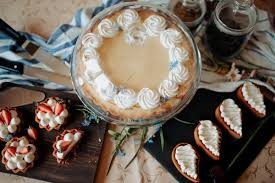
Edible cake decorations are the finishing touch that transforms a good cake into something truly unforgettable. Whether you are a home baker looking to elevate your celebration cakes, a professional decorator searching for fresh materials and techniques, or simply someone who
wants to understand all the options before visiting a cake supply shop, this guide covers everything. cake decorations span a remarkable range — from delicate hand-crafted sugar flowers and shimmering gold leaf to printed wafer paper images, chocolate shards, sprinkles, is malt gems, fondant figures, luster dusts, and much more.
In this comprehensive article, we explore every major type of edible cake decoration in detail: what each one is made from, how it is applied, what visual effect it creates, where to buy it or how to make it yourself, and what occasions it suits best. We also cover food safety
Why Edible Cake Decorations Are the Heart of Modern Cake Design:
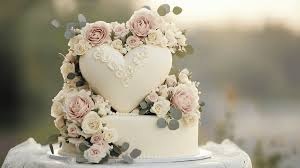
Think about the last cake that genuinely stopped you in your tracks. Maybe it was on Instagram — a wedding cake draped in sugar flowers so realistic you had to look twice. Maybe it was at a birthday party — a drip cake covered in golden chocolate shards and fresh raspberries that made every guest reach for their phone before their fork. Maybe it was in a bakery window — a fondant-covered cake decorated with hand-painted botanical illustrations that looked more like a museum piece than a dessert. Whatever it was, the thing that caught your attention was not the cake itself. It was the cake decorations on top of it.
Edible cake have become one of the most exciting and rapidly evolving areas of modern food culture. The range of edible decorations available today — both for professional decorators and home bakers — is extraordinary in its breadth and sophistication. Edible cake decorations now include everything from traditional fondant figures and royal icing flowers to cutting-edge techniques like food-safe airbrushed gradients, is malt geode structures, 24-carat gold leaf applications, and printed wafer paper wraps that can reproduce photographic imagery on the surface of a cake. The combination of new materials, new techniques, and new creative inspiration pouring in from every corner of social media has made this genuinely one of the most creative moments in the history of cake decoration.
This guide exists because navigating that world of cake decorations can feel overwhelming when you do not know where to start. What is the difference between fondant and gum paste? Are wafer paper decorations safe? How do you apply edible gold leaf without ruining it? What are the best edible cake for a beginner who wants a beautiful result without a steep learning curve? How do you store edible cake decorations so they last? These are exactly the questions this article answers — clearly, honestly, and with enough practical detail to be genuinely useful.
What Are Edible Cake Decorations? A Complete Definition:
Gum paste, a firmer and more pliable variant of sugar paste that contains xylose powder or CMC (carboxymethylcellulose), is particularly valued for cake decorations that need to hold a delicate shape — thin flower petals, fine architectural details, realistic leaves and foliage. Unlike fondant, gum paste dries rigid and can be rolled very thin without tearing, making it the preferred material for advanced sugar flower work and delicate three-dimensional cake decorations that need structural integrity. Fondant and gum paste cake decorations can be made well in advance and stored for weeks or even months in a cool, dry, airtight environment, making them one of the
most practical options for professional decorators managing large volumes of work. Whether you are buying cake decorations ready-made, making your own from scratch, or combining commercial and handmade elements into a single design, this guide will give you the knowledge to make confident choices and create results you are genuinely proud of.
1:The Full Scope of Cake Decorations
The term edible cake covers a wider range of materials and products than most people realize when they first encounter it. Strictly speaking, edible cake decorations are any decoration placed on a cake that is safe to consume — as opposed to non-edible decorations like fresh flowers from a florist (which may have been treated with pesticides and are not food-safe), plastic figurines, metallic wire, and other decorative elements that are placed on cakes purely for visual effect and must be removed before eating.
2:Edible decorations fall into two broad categories:
made-from-scratch decorations created by the baker or decorator using edible materials — sugar paste flowers, chocolate work, hand-painted fondant details, is malt gems — and commercially produced cake decorations purchased pre-made from cake supply shops, online retailers, or specialty food stores. Both categories have a legitimate and important place in professional and home cake decorating, and many of the most beautiful decorated cakes combine elements from both sources.
3:The Difference Between Decorative and Structural Edible Decorations
It is also worth distinguishing between decorative cake decorations — elements added purely for visual effect — and structural ones that also serve a functional role. Buttercream frosting, for example, is both an edible cake decoration and a structural element — it covers and protects the cake while also providing a decorative surface. Fondant covering is similarly dual-purpose. Pure edible cake decorations like sprinkles, sugar flowers, wafer paper butterflies, and chocolate shards are added after the structural decorating is complete, specifically to enhance the visual appeal of the finished cake. Understanding this distinction helps when planning a cake design, because structural elements need to be applied first and decorative edible cake are typically added last.
4:Types of Edible Cake Decorations: A Complete Guide
Fondant and Sugar Paste Decorations Fondant and sugar paste are the most versatile materials in the world of edible cake, and they form the basis of an enormous range of decorative possibilities. Fondant — a pliable, smooth sugar-based paste — can be rolled out and draped over an entire cake to create a flawless, smooth surface, or it can be used to model three-dimensional edible cake decorations including figures, animals, flowers, ribbons, bows, geometric shapes, and virtually anything else a decorator can imagine.
Edible Wafer Paper Decorations:
Edible wafer paper is one of the most exciting and versatile materials in the current edible cake decorations landscape. Made from potato starch, water, and vegetable oil — or in some formulations from rice starch — edible wafer paper is thin, flexible, and completely safe to eat, with a very mild, almost neutral taste. As an edible cake decoration material, wafer paper can be cut, shaped, twisted, curled, and painted to create an extraordinary range of effects.
Wafer paper flowers are among the most popular cake decorations currently trending in the professional cake world. Incredibly lightweight, with a delicate translucency that sugar paste cannot replicate, wafer paper flowers can be made in minutes compared to the hours required for hand-crafted sugar flowers, and they can be tinted with edible food colors to create beautiful naturalistic tones. Wafer paper can also be used as a printing substrate — edible printed images on wafer paper are one of the most accessible and affordable cake decorations available, allowing home bakers to add photographic quality images to a cake without any artistic skill.
Wafer Paper Tip: Edible wafer paper decorations are very sensitive to moisture. Never apply wafer paper edible cake to a surface with high water content — like a freshly applied ganache or wet buttercream — without first allowing the surface to set completely. Moisture will cause the wafer paper to dissolve and become translucent.
Sugar Flowers — The Pinnacle of Edible Cake Decorations:
If there is one category of cake decorations that represents the highest level of the art, it is hand-crafted sugar flowers. Created petal by petal from thin sheets of gum paste shaped over wire armatures, dried in custom formers, dusted with food-safe petal dusts, and assembled into botanically accurate blooms, sugar flowers are cake decorations that genuinely rival real flowers in beauty and that surpass them in longevity and food safety. A single expertly made sugar rose, with its layered petals shaped to curl and cup in the way real petals do, its realistic color gradients achieved through careful dusting, and its natural-looking matte finish, is a work of edible art that takes considerable skill and patience to create.
Sugar flowers as edible cake decorations are most commonly seen on wedding cakes, where their permanence, food safety, and extraordinary beauty make them the preferred choice over real flowers for the decorators and clients who can access the skill to make or commission them. A sugar flower arrangement created as edible decorations for a wedding cake can be kept by the couple as a permanent memento of their celebration, lasting for years in the right storage conditions. This is a dimension of value that no other category of edible cake decorations offers.
1:Chocolate Edible Decorations
Chocolate is one of the most accessible and most visually impactful materials for edible cake decorations, and it can be worked in a remarkable variety of ways to create very different effects. Chocolate shards — irregular pieces of dark, milk, or white chocolate broken from a thin poured slab — create a dramatic, contemporary look when arranged on a drip cake or pressed around the sides of a frosted cake.
Chocolate curls, made by drawing a vegetable peeler along the edge of a block of slightly warmed chocolate, create a more classic, traditional edible cake decoration effect. Chocolate collars — thin sheets of tempered chocolate wrapped around the circumference of a cake — create an elegant, professional finish that transforms a simple frosted cake into something genuinely impressive.
2:White chocolate is particularly popular for cake
decorations because it can be tinted with oil-based food colors to create chocolate decorations in any color of the spectrum — a possibility that dark chocolate, with its strong natural color, cannot offer. Chocolate modelling paste — chocolate combined with glucose syrup to create a pliable modelling material — can be sculpted into three-dimensional edible decorations in much the same way as fondant, with the added benefit of a rich chocolate flavor that many people prefer to the purely sweet taste of sugar paste.
3: Edible Metallic Decorations: Gold Leaf, Silver Leaf, and Lustre Dusts
The use of metallic edible decorations has been one of the defining aesthetic movements in professional cake decoration over the past decade, and the materials available to achieve it have become increasingly accessible to home bakers as well as professionals. Edible gold leaf and silver leaf — genuine 24-carat gold or silver beaten to tissue-thin sheets — create an instantly luxurious effect when applied to cake surfaces, fondant figures, or individual decorative elements.
The delicate, irregular way in which gold leaf adheres to a surface creates a visual depth and richness that no gold-colored paint or luster dust can fully replicate. Edible gold leaf edible decorations are frequently used on wedding cakes, anniversary celebrations, and any occasion where a sense of genuine luxury is the design brief.
4:Edible lustre dusts are metallic or pearlescent food-
safe powders that can be brushed directly onto dry fondant or sugar paste surfaces, mixed with clear alcohol to create a paint-like metallic medium, or added to buttercream and ganache to create subtle shimmer effects. These edible cake are among the most versatile in a decorator’s toolkit — they can add a light dusting of gold or silver to a flower petal, create a fully metallic fondant panel, or add depth and dimension to any surface where flat color alone feels insufficient. Quality edible luster dusts from reputable food-safe suppliers have an essentially indefinite shelf life when stored in sealed containers away from moisture.
5:Sprinkles, Nonpareils, and Sugar Confetti
Sprinkles are perhaps the oldest and most democratic of all cake decorations — they have been a staple of birthday cake decoration for generations, and their enduring popularity is entirely deserved. Modern sprinkles have evolved far beyond the simple rainbow jimmies and round nonpareils that dominated the category for decades. Today the sprinkle world encompasses an extraordinary range of cake decorations including shaped sugar pieces in hundreds of forms — stars, hearts, flowers, letters, numbers, animals, seasonal shapes — in virtually every color imaginable; metallic sugar pearls and cachous in gold, silver, bronze, and rose gold; crystal sugar sprinkles that create a sparkling, jewel-like effect; and sequin-style flat disc sprinkles that add a fashion-forward, graphic quality to cake surfaces.
6:Curated sprinkle mixes — combining several different
types and sizes of cake into a cohesive, color-coordinated blend — have become hugely popular as a way to add visual complexity and textural interest to a cake surface without requiring any technical skill. A well-chosen sprinkle mix scattered generously over a frosted cake or pressed into the sides of a buttercream finish can genuinely transform the visual impact of a cake in seconds. Sprinkles as edible cake also have an essentially unlimited shelf life when stored correctly, making them one of the most practical and economical options in the decorator’s pantry.
Edible Printed Cake Decorations:
Edible printed cake decorations represent one of the most significant technological advances in the history of edible cake decorations — they use food-safe ink-jet printing technology to reproduce photographic and graphic imagery on edible substrates including wafer paper, icing sheets, and edible frosting sheets. The result is a category of edible cake decorations that allows any image — a photograph, a character illustration, a logo, a birthday message with custom typography — to be reproduced on a cake surface with photographic fidelity.
Edible printed cake decorations are available from specialist cake supply shops and online printers who can print a supplied image file onto an edible substrate and post it for next-day delivery. They can also be produced in-house using an edible ink printer — a standard inkjet printer loaded with food-safe edible ink cartridges and edible paper substrates. For professional bakeries that produce large numbers of character cakes, photo cakes, and branded celebration cakes, an in-house edible ink printer represents a significant investment that pays back quickly in the volume and range of edible cake decorations it can produce.
1:Applying Metallic Edible Cake Decorations
Edible gold and silver leaf are among the most delicate edible cake decorations to apply, and they require patience and the right tools to achieve a professional result. The gold or silver leaf comes in individual sheets separated by tissue paper in a booklet. To apply it, brush a very thin layer of piping gel, diluted vodka, or clear edible glaze onto the area of the cake where you want the leaf to adhere, then gently lift individual sheets of the leaf using a dry, soft brush or the tissue paper separator and press them onto the prepared surface
2:Gold Leaf Tip: For a deliberately irregular, artistic
effect with edible gold leaf, allow pieces of leaf to overlap and wrinkle slightly rather than trying to achieve a smooth, even coverage. The broken, organic quality of naturally applied gold leaf is part of what makes it such a beautiful edible cake decoration — perfectly smooth gold applications can look mechanical and artificial by comparison.
3:Applying Sprinkles and Nonpareils
Sprinkles are the most forgiving edible cake decorations to apply — they require no special tools and no particular technical skill — but there are techniques that produce better results than the simple scatter method. For maximum coverage on the sides of a cake, place the frosted cake on a sheet of parchment paper, cup a handful of sprinkles in your palm, and gently press them against the sides of the cake in an upward motion, letting the excess fall onto the parchment to be reused.
For a deliberately designed pattern or arrangement of sprinkles on the top of a cake, use a small teaspoon or tiny scoop to place them precisely, and work in sections to keep the arrangement controlled. For sprinkle-embedded buttercream finishes, add the sprinkles to the final layer of buttercream before it sets and then give the sides a single final scrape with the bench scraper to press them partway into the surface.
4:Food Safety and Quality Considerations for Edible Cake Decorations
One of the most important distinctions in the world of edible cake decorations is the difference between decorations that are genuinely edible — safe and appropriate to eat — and those that are described as ‘non-toxic’ but not intended for consumption. This distinction matters enormously when decorating cakes that will be eaten, particularly by children or by guests with dietary restrictions or food allergies.
5:Genuinely edible cake decorations are made from
food-approved ingredients regulated by food safety authorities in their respective countries — in the US this means FDA approval, in the UK and EU it means compliance with applicable food ingredient regulations. Non-toxic decorations, by contrast, may be made from materials like certain types of glitter (including craft glitter that is clearly not food-safe), metallic paints containing non-food-approved metallic compounds, or plastic-based confetti and shapes that are designed to be removed from the cake before serving rather than eaten. Always check the labeling of any product described as a cake decoration and make sure it is specifically designated as food-safe and intended for consumption, not merely described as ‘non-toxic.’
6:Allergen Awareness in Cake Decorations
Allergens are a significant consideration when choosing cake decorations for cakes that will be served to guests with dietary restrictions. Many commercial cake decorations are produced in facilities that also handle tree nuts, peanuts, wheat, dairy, eggs, and soy, and may carry cross-contamination warnings even if none of these ingredients appear in the product’s ingredient list. For guests with serious food allergies, cross-contamination risk from edible cake decorations can be just as significant as the allergen risk from the cake itself. Always read the allergen information on commercial cake decorations carefully, and when in doubt, disclose the edible cake you have used to guests and allow them to make an informed decision.
7:Specific Safety Considerations for Different Edible Cake Decorations
- Edible glitter and disco dust: Only use products explicitly labeled as food-grade and made from recognized food-safe ingredients. Many products sold as ‘edible glitter’ or ‘disco dust’ contain polyester or acrylic and are not genuinely food-safe cake decorations.
- Fresh flowers as decorations: Real flowers from a florist are generally not safe edible cake unless they are certified food-safe, organically grown, and free from pesticides and fungicides. If using fresh florals as edible cake, source specifically from certified food-safe suppliers.
- Dried botanicals: Dried flowers and herbs from food-approved sources can be genuinely edible cake, but standard dried botanicals sold for potpourri or crafting may have been treated with chemicals that are not food-safe.• Edible gold and silver leaf: Genuine 24-carat edible gold leaf and food-grade edible silver leaf are completely safe edible decorations. However, imitation gold leaf made from alloys including copper, zinc, or aluminum is not food-safe and should never be used as an edible cake decoration.
Storing Edible Cake Decorations Correctly:
Storage Principles That Apply to All Edible Cake Decorations The single most important factor in preserving cake decorations is moisture control. The majority of edible cake decorations — fondant figures, gum paste flowers, wafer paper pieces, sprinkles, luster dusts, gold leaf — are all hygroscopic, meaning they absorb moisture from the air. Humidity is their enemy. Storing edible decorations in airtight containers, away from moisture sources, in a cool and dark environment is the single most effective way to extend their usable life significantly.
Never store edible cake in the refrigerator unless they contain fresh perishable ingredients. The cold and moisture of a refrigerator environment is damaging to most edible cake decorations, causing fondant to sweat, wafer paper to go limp, chocolate to bloom, and luster dusts to clump. Room temperature storage in sealed containers is the correct approach for the vast majority of cake decorations.
Specific Storage Guidance for Each Type of Edible Cake Decoration
Fondant and sugar paste decorations: Store in airtight containers or zip lock bags at room temperature, away from direct sunlight and heat. Properly stored fondant cake decorations can last for weeks to months.
Wafer paper decorations: Store in sealed containers or original packaging away from moisture at all times. Do not refrigerate. Wafer paper cake decorations are best used within six to twelve months of manufacture. Sugar flowers: Store in individual sections of an egg carton, flower former, or purpose-made flower box to prevent breakage. Keep in a cool, dark, dry place. Do not refrigerate or freeze.
Chocolate decorations: Store in a cool, dry place between 15–18°C (60–65°F). Avoid refrigeration if possible — temperature changes cause chocolate bloom. Well-stored chocolate edible cake will last several weeks.
Sprinkles and nonpareils: Keep in sealed containers at room temperature, away from direct sunlight. Most sprinkle edible decorations have a shelf life of one to two years in ideal conditions.Lustre dusts and metallic powders: Store in sealed containers away from moisture. Quality edible luster dusts can last for several years if kept properly sealed.
Edible gold and silver leaf: Keep in its original booklet, stored flat in a sealed container away from humidity and air movement. Handled gently, edible gold leaf has an indefinite shelf life.
Where to Buy the Best Edible Cake Decorations
Dedicated cake supply shops — both physical retail stores and online retailers — are the best source for the widest range of high-quality cake decorations. In physical stores, you have the benefit of seeing colors accurately, feeling the texture of materials, and getting advice from staff with hands-on experience. The leading physical cake supply chains in the UK include Squires Kitchen, Cake Stuff, and Hobby craft’s dedicated baking section. In the US, Wilton, Global Sugar Art, and local cake supply shops carry extensive ranges.
Online cake supply retailers offer an even broader selection of cake decorations than most physical stores can stock. Specialist online retailers including Squires Kitchen, Lakeland, Amazon (from food-approved suppliers), Sugar and Crumbs, and various specialist importers carry edible cake decorations sourced from manufacturers across Europe, the US, and Asia. When buying edible decorations online, always verify the seller’s credentials, check that products are explicitly labeled as food-safe and carry appropriate food safety approvals, and read buyer reviews specifically about the quality and authenticity of edible cake decorations.
1:Supermarkets and General Baking Aisles
For basic edible decorations — standard sprinkles, sugar strands, ready-made fondant figures, wafer paper toppers, and simple printed edible images — most large supermarkets carry a reasonable selection at accessible price points. Supermarket edible cake decorations are appropriate for home baking projects where convenience and cost are priorities, though the range and quality of more specialist items like luster dusts, sugar flowers, and premium metallic edible decorations is generally limited in mainstream retail environments.
2:Making Your Own Edible Cake Decorations
Many of the most beautiful and distinctive cake decorations on professional and artisan cakes are entirely hand-made from raw materials purchased from cake supply shops. Making your own edible cake from sugar paste, gum paste, wafer paper, chocolate, and is malt gives you complete creative control — the shapes, colors, sizes, and designs you can produce are limited only by your skill, imagination, and the time available. Home-made edible cake decorations also typically cost a fraction of the equivalent ready-made products, making the skill investment required to produce them highly economical for regular cake decorators.
3:Trending Edible Cake Decorations Right Now
One of the most social-media-friendly edible cake decoration trends is the maximalist sprinkle cascade — a design in which multiple types, colors, and sizes of sprinkle edible cake decorations are combined in deliberately exuberant, abundant arrangements that spill down the sides of a cake or pile dramatically on its top surface. Curated sprinkle mixes designed specifically for this effect are now available from numerous specialist suppliers, combining metallic cachous, shaped sugar pieces, jimmies, and confetti discs in carefully color-coordinated blends that create an instant, joyful visual impact.
4:Dried Flower and Botanical Cake Decorations
The incorporation of dried botanical elements as cake decorations has grown strongly as part of a wider movement toward natural, artisanal, and sustainable aesthetics in celebration cakes. Pressed edible flowers like violas and rose petals, freeze-dried berry and fruit slices, dried citrus wheels, and herb sprigs like rosemary and lavender all work beautifully as edible cake decorations on naked and semi-naked cakes, buttercream-finished celebration cakes, and simple loaf cakes. The key consideration with botanical cake decorations is sourcing — only use botanicals specifically certified for food use, never botanicals sourced from a florist or garden that may have been treated with non-food-safe chemicals.
Is malt Geode and Crystal Edible Cake Decorations:
Is malt — a sugar alcohol derived from beet sugar that melts and sets like glass — has become one of the most spectacular edible cake decoration materials available to skilled decorators. Is malt can be melted, colored with concentrated food gels, poured into molds, or cast freeform to create translucent crystal-like cake decorations that create extraordinary geode, stained glass, and jewel-encrusted effects. Is malt geode cakes — where a section of the cake is carved away and the void filled with clusters of is malt crystals in jewel tones — represent one of the most dramatic and visually striking edible cake decoration styles in contemporary cake design.
Hand-Painted EdibleDecorationsThe trend for hand-painted cake decorations continues to grow in both the professional and home baking worlds. Using food-safe color diluted in clear alcohol or lemon extract, decorators paint directly onto smooth fondant or ganache surfaces — creating botanical illustrations, abstract watercolor washes, geometric patterns, portraiture, and landscape imagery that transforms a cake surface into a genuine artwork. Ready-made food paints and edible ink pens have made hand-painted edible cake decorations more accessible to beginner and intermediate decorators who do not have a background in traditional art but want to add a painted element to their work.
Combining Edible Cake Decorations for Maximum Visual Impact: Quick Reference Table:
| Decoration Combination | Visual Effect | Best For | Skill Level |
| Sugar Flowers + Gold Leaf | Elegant and luxurious | Wedding cakes, anniversary cakes | Intermediate–Advanced |
| Fondant Toppers + Sprinkles | Fun and colorful | Birthday and children’s cakes | Beginner |
| Wafer Paper Flowers + Luster Dust | Soft, delicate, modern | Celebration and floral cakes | Intermediate |
| Chocolate Shards + Metallic Accents | Contemporary and stylish | Modern dessert cakes | Intermediate |
| Fresh Fruit + Edible Flowers | Natural and rustic | Naked cakes and summer cakes | Beginner |
| Edible Images + Fondant Borders | Personalized and polished | Photo cakes and themed events | Beginner |
| Is malt Gems + Gold Leaf | Dramatic and high-end | Geode and luxury cakes | Advanced |
| Sprinkles + Chocolate Drip | Trendy and eye-catching | Party cakes and cupcakes | Beginner–Intermediate |
The Principles of Combining Edible Cake Decorations:
The most visually stunning decorated cakes almost always combine multiple types of edible cake decorations — but they do so with intention and discipline rather than just piling everything on. Understanding how to combine edible decorations effectively is as important as knowing what each individual type can do, and it comes down to a few core principles.
First, establish a visual hierarchy among your edible decorations. There should be one dominant decorative element that draws the eye first — a sugar flower arrangement, a hand-painted motif, a dramatic is malt geode — and supporting cake decorations that complement and frame it without competing. Sprinkles, luster dust, gold leaf accents, and small pressed flowers all make excellent supporting edible cake around a focal element.
Second, maintain consistency of material and aesthetic across the cake decorations you combine. A rustic naked cake decorated with dried botanical cake decorations and fresh berries loses its coherent aesthetic if metallic gold cachous and synthetic rainbow sprinkles are added. A sleek modern fondant cake with geometric metallic edible cake decorations is undermined by the addition of cute fondant cartoon characters. Let the aesthetic of your primary design concept guide every subsequent edible cake decoration choice.
Color Coordination Across Edible Cake Decorations:
Color coordination between different edible cake is one of the most powerful tools for creating visually coherent finished cakes. When combining cake decorations of different types — sugar flowers, sprinkles, luster dust, chocolate elements — ensuring that they share a cohesive color palette creates a unified, designed appearance rather than a random collection of decorative elements. A cake featuring blush and dusty rose sugar flowers, pale pink metallic cachous, warm cream-toned dried petals, and a gold luster dusted border creates a completely harmonious and luxurious effect because every edible cake decoration element speaks the same color language.
Summary
This reference table highlights the most popular types of edible cake decorations and their ideal uses. Beginners will find sprinkles, edible images, wafer paper decorations, and fondant toppers the easiest options to work with, while more experienced decorators may prefer sugar flowers, chocolate work, is malt creations, and edible metallic finishes. Each decoration type offers different benefits in terms of appearance, application difficulty, and storage life.
For long-term preparation, sugar flowers, fondant decorations, and edible metallic products are excellent choices, whereas fresh fruit decorations should be added shortly before serving. Understanding these differences helps bakers choose the right edible cake decorations for any occasion while ensuring the finished cake remains attractive, stable, and safe to enjoy.
FAQ’s
1. Are edible cake decorations safe to eat?
Yes, as long as they are labeled as edible and made from food-safe ingredients. Always check packaging and avoid using craft decorations that are not intended for consumption.
2. Can I make edible cake decorations in advance?
Absolutely. Sugar flowers, fondant toppers, and wafer paper decorations can often be prepared weeks ahead and stored in a cool, dry place.
3. What are the easiest edible cake decorations for beginners?
Sprinkles, fresh fruit, edible images, and pre-made fondant toppers are great options. They are simple to use and can instantly improve the appearance of any cake.
4. How do I keep edible decorations from becoming soft or melting?
Moisture is usually the main problem. Add decorations close to serving time, keep cakes in a cool environment, and avoid exposing delicate decorations to excess humidity.
5. Where can I buy edible cake decorations?
You can find them at cake supply stores, baking shops, online marketplaces, and specialty baking websites. Always buy from reputable sellers and verify that products are food-safe.
Conclusion:
Edible cake decorations turn ordinary cakes into memorable creations. From colorful sprinkles and fresh fruit to elegant sugar flowers and edible metallic finishes, there are options for every skill level and celebration. The key is choosing decorations that match your design, storing them properly, and using quality food-safe products.
Whether you’re baking your first birthday cake or creating a professional wedding masterpiece, edible cake decorations offer endless opportunities for creativity. With a little practice and the right materials, you can create cakes that look stunning and taste just as good. Because the best edible cake decorations don’t just make a cake look beautiful—they make every celebration more memorable.